|
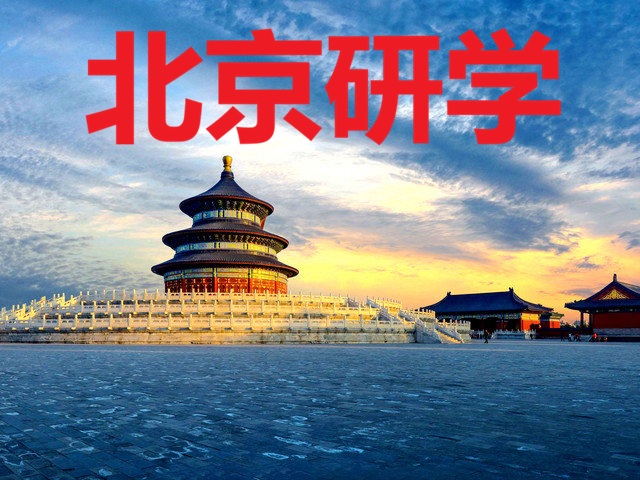
Beijing, abbreviated as "Jing", is the capital, a municipality directly under the central government, a national central city, and a megacity of the People's Republic of China. It serves as the nation's political center, cultural center, international exchange center, and scientific & technological innovation center. It is the seat of the Central Committee of the Communist Party of China, the Central People's Government of the People's Republic of China, and the National People's Congress, as well as the headquarters of the Central Theater Command of the Chinese People's Liberation Army.
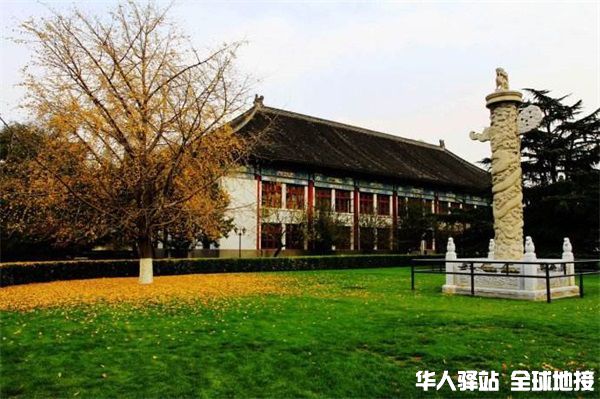
1 Visiting Peking University (PKU) Campus The classic-style Peking University campus fills one's mind with yearning. Experience the academic romance by the shores of Weiming Lake, admire the exterior of the library to appreciate PKU's rationality, profoundness, and greatness, and witness the "Triangle Area" which epitomizes the university's spirit of freedom.
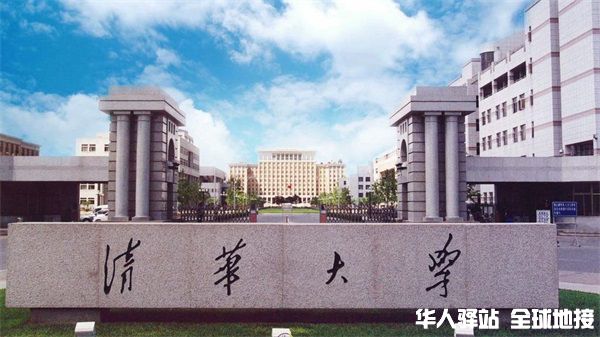
2 Visiting Tsinghua University Campus Grasp the profound meaning of Tsinghua's motto, "Self-Discipline and Social Commitment". The campus houses the GIMA National Key Laboratory, the moonlit lotus pond made famous by the legendary writer Zhu Ziqiang, and numerous cultural heritage sites, altogether showcasing Tsinghua's refinement, immensity, and classical prestige.
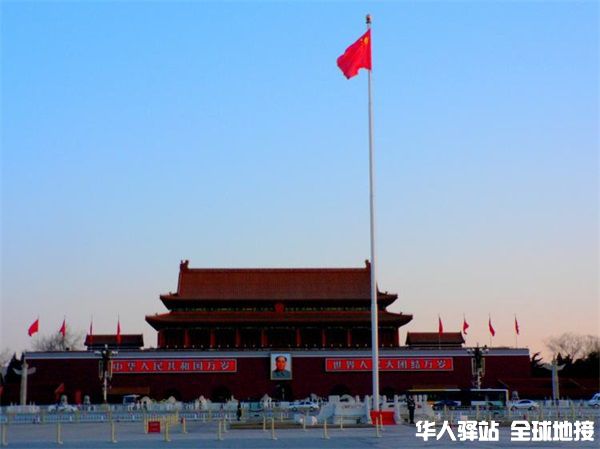
3 Tiananmen Gate Located in the absolute center of China's capital Beijing and at the southern entrance of the Forbidden City, Tiananmen Gate faces Tiananmen Square across Chang'an Avenue, directly overlooking the Monument to the People's Heroes, Chairman Mao Memorial Hall, the Great Hall of the People, and the National Museum of China. Covering an area of 4,800 square meters, it commands global attention for its outstanding architectural art and unique political status.
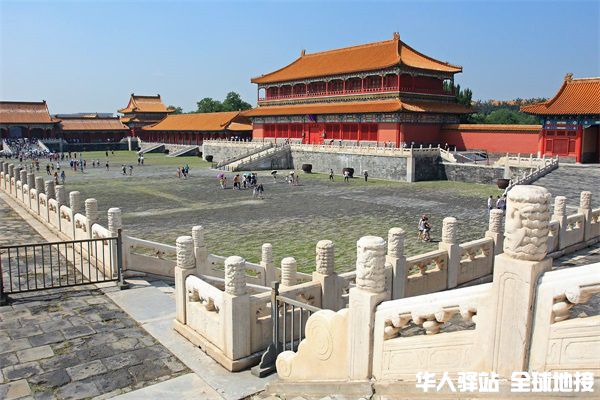
4 The Palace Museum (The Forbidden City) Established on October 10, 1925, and located within the imperial Forbidden City of Beijing, this comprehensive Chinese museum was built upon the foundations of the imperial palaces and royal collections of both the Ming and Qing dynasties. It stands as China's largest museum of ancient culture and art. Its vast collection of cultural relics stems primarily from the old treasures of the Qing imperial court, and it is designated as one of the first national patriotism education demonstration bases.
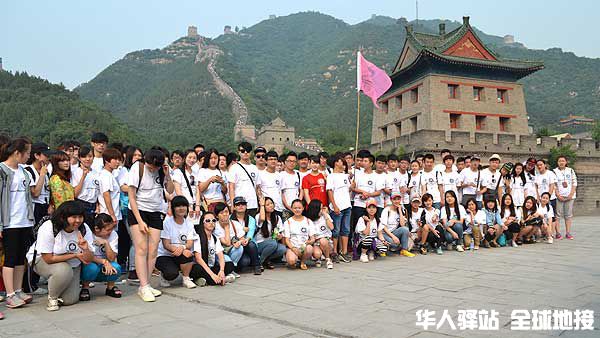
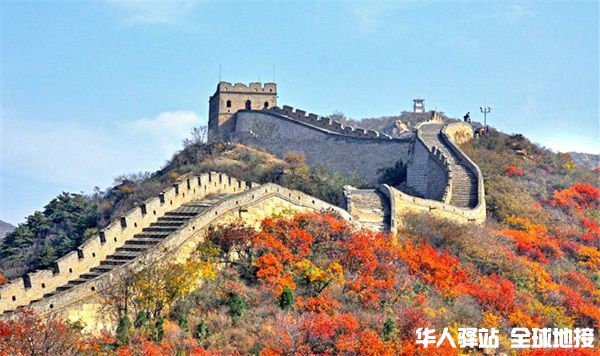
5 Badaling Great Wall Situated at the northern mouth of the Guangou Ancient Path in the Jundu Mountains of Yanqing District, Beijing, this section is a vital component of the Great Wall of China—an extraordinary military defense project of antiquity—and serves as a major pass of the Ming Great Wall. Badaling acted as a crucial forward outpost for Juyongguan Pass, giving rise to the ancient saying: "The strategic danger of Juyongguan lies not at the pass itself, but at Badaling."
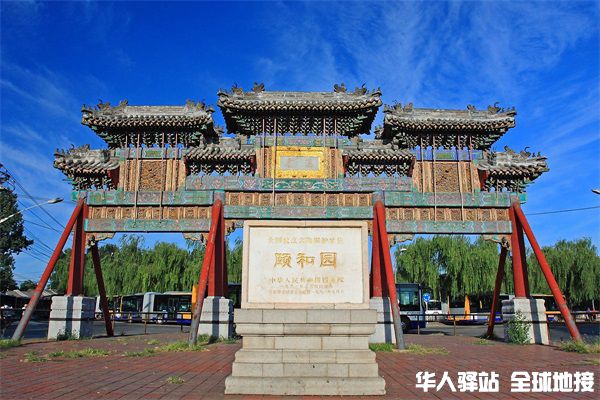
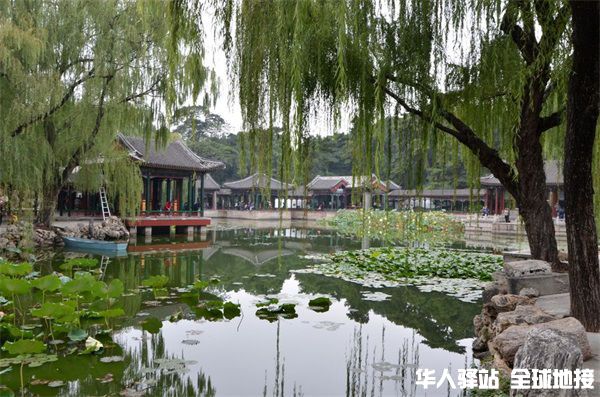
6 The Summer Palace A grand royal garden from China's Qing Dynasty, formerly known as the Qingyi Garden, it is located in the western suburbs of Beijing, approximately 15 kilometers from the urban core, covering about 290 hectares adjacent to the Old Summer Palace (Yuanmingyuan). Centered around Kunming Lake and Longevity Hill, it was modeled after the West Lake in Hangzhou and incorporated classic southern Chinese landscaping techniques to create a massive landscape garden. It is the most completely preserved royal resort and temporary palace in existence, widely acclaimed as the "Museum of Imperial Gardens."
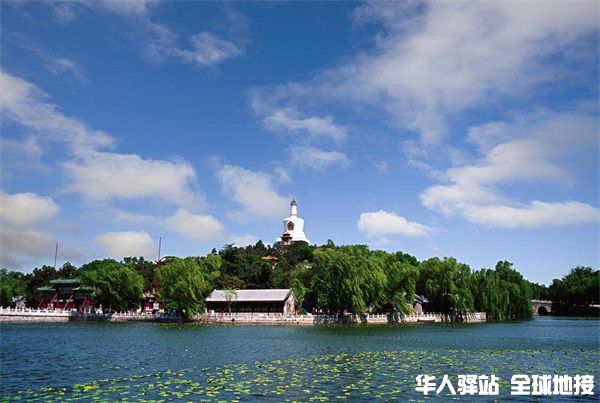
7 Beihai Park Located in the center of Beijing, just west of Jingshan Park and northwest of the Forbidden City, it forms the "Three Seas" alongside Zhonghai and Nanhai. As a classical Chinese imperial garden centered around Beihai Lake, it spans an area of approximately 71 hectares (with water covering 583 mu and land covering 480 mu). It is one of the oldest, most complete, and most comprehensively representative imperial gardens still existing in China today.
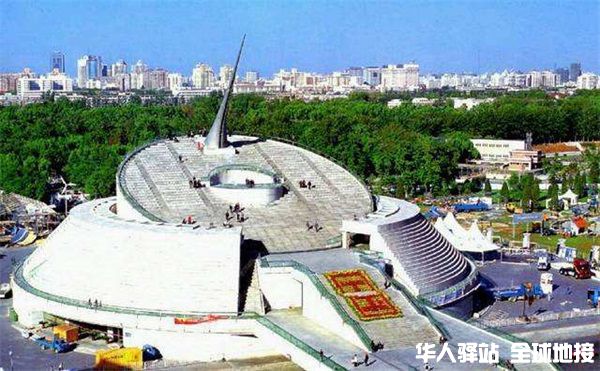
8 China Millennium Monument Situated along the western extension of Chang'an Avenue in Beijing, this site covers 4.5 hectares with a total architectural area of 35,000 square meters. It is composed of the main structure, the Bronze Promenade, the Holy Fire Square, an overpass, the Millennium Main Hall, and the Art Exhibition Hall. Today, it primarily serves as the Beijing World Art Museum, which is China's first non-profit national cultural institution dedicated to the collection, exhibition, and research of international global art.
| 






 四海为家
四海为家